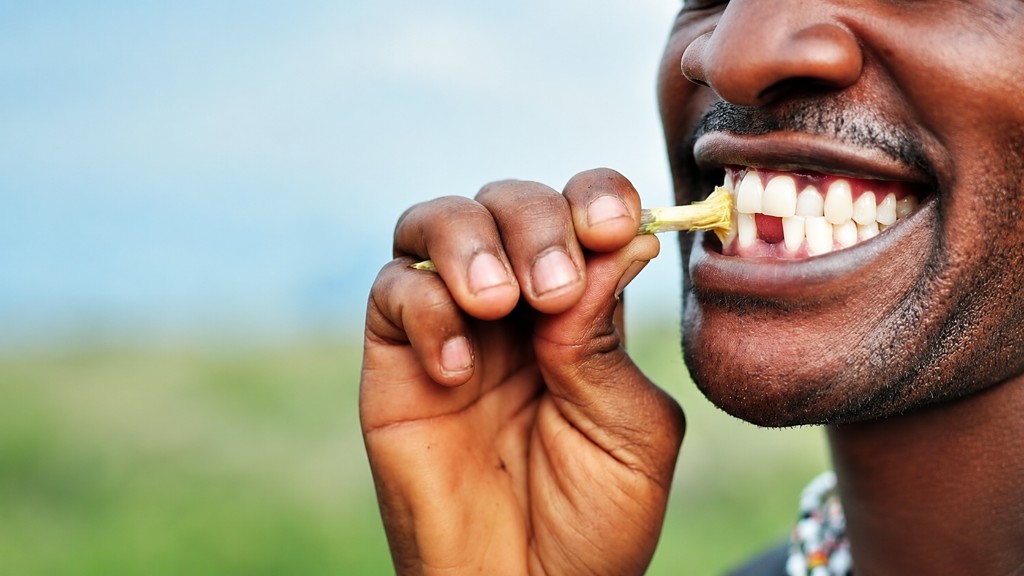
Before the toothbrush,
there was Siwak.
Long before plastic handles and nylon bristles, people used natural chewing sticks to care for their teeth. Among them, Salvadora persica became one of the world’s most recognised sources of Siwak.
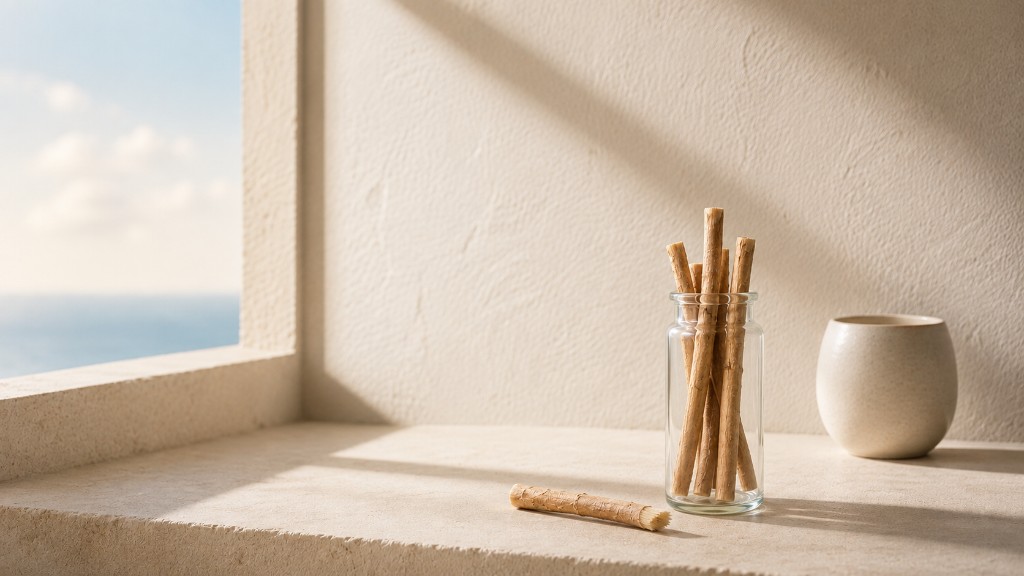
Nature, with more going on than meets the eye.
01
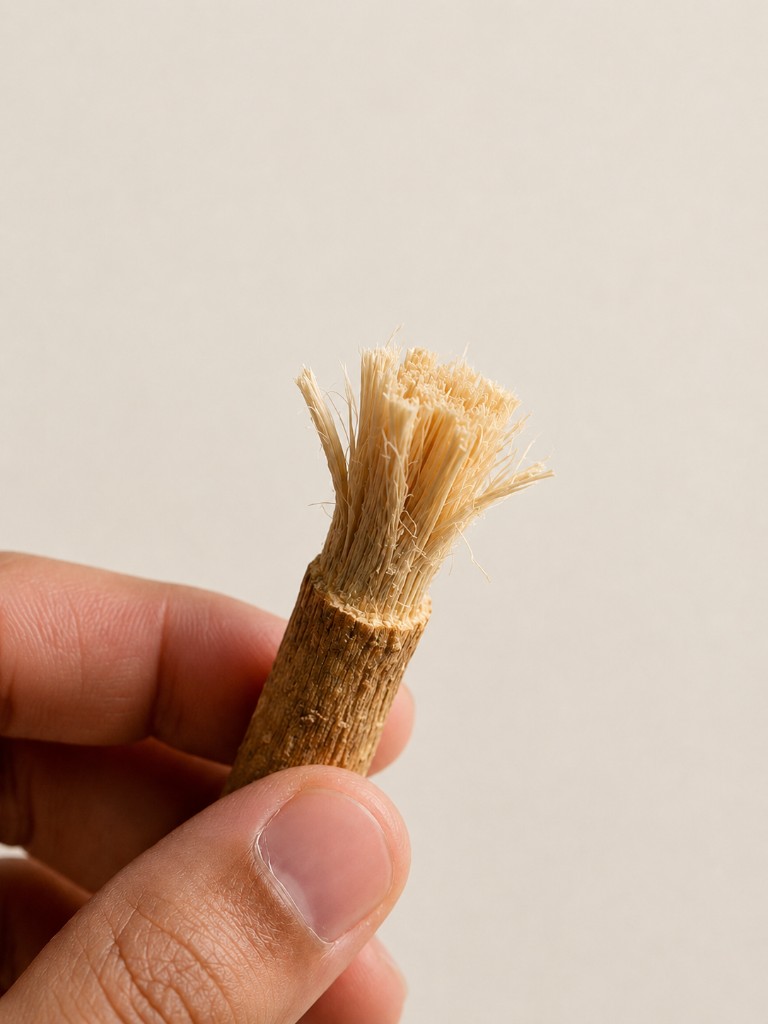
A brush that grows
Once the tip is opened, the wood becomes natural fibres. They clean the tooth surface as you brush — the same job as bristles, grown in the stick.
02
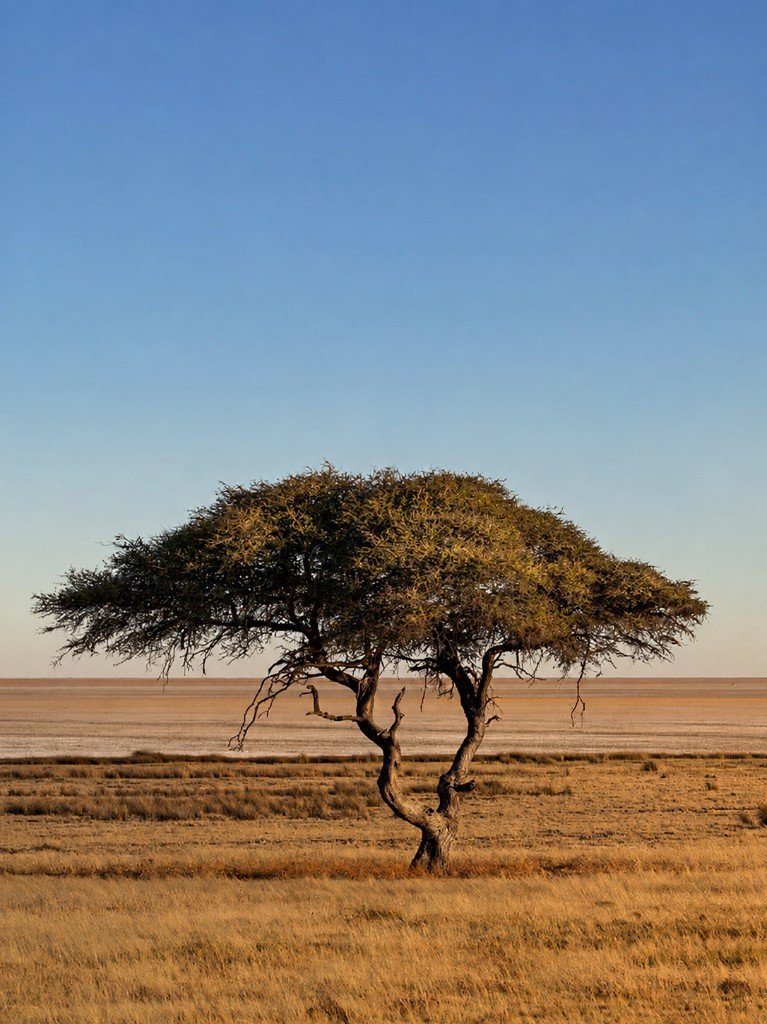
Salvadora persica
Siwak comes from this tree. It contains naturally occurring compounds that have been studied for oral-health effects. We didn’t invent that. Science is still looking.
03
No paste required
Used like a toothbrush, the stick helps lift plaque and debris. There is nothing to squeeze on. Water is enough if the tip feels hard.
04
Around the gumline
The fibres are soft enough to work along the teeth and around the gums — not only the front surfaces you see first.
Studied for generations. Investigated by science today.
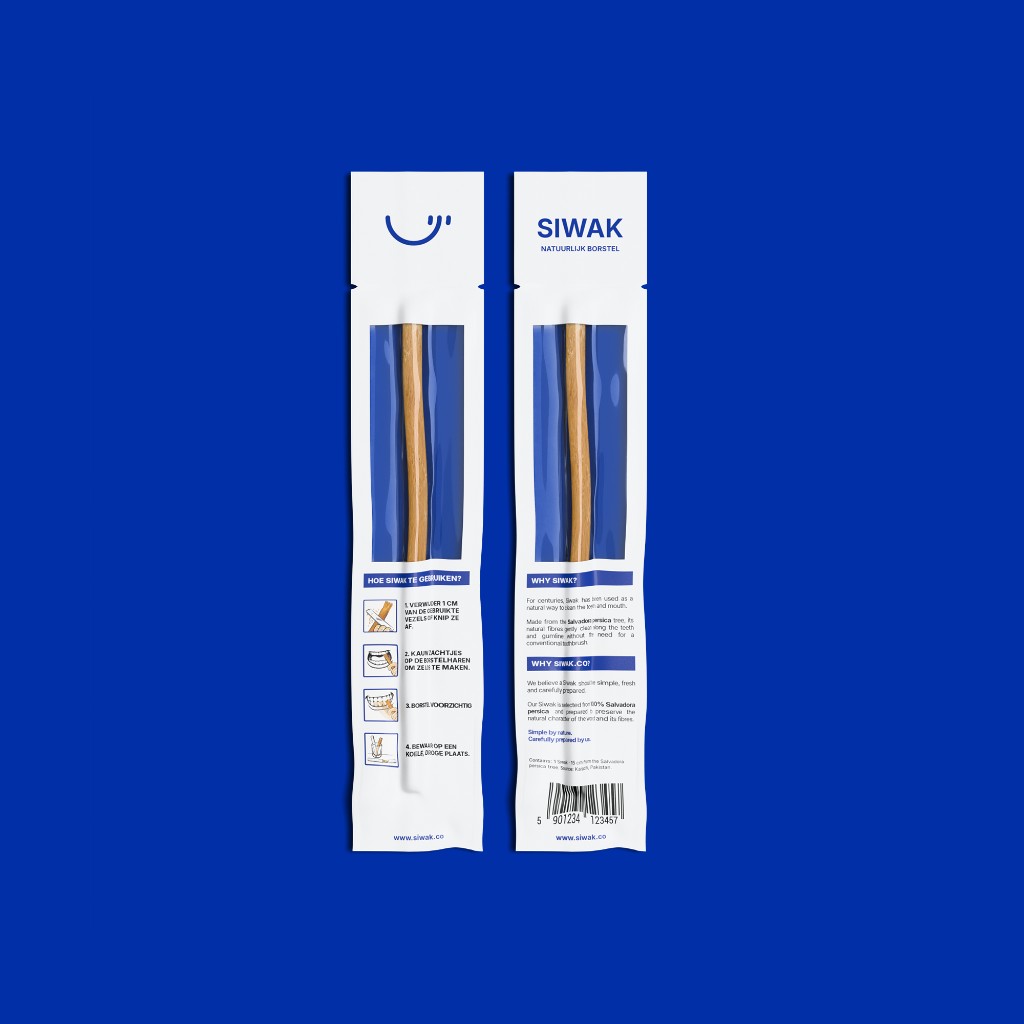
Meet Siwak.
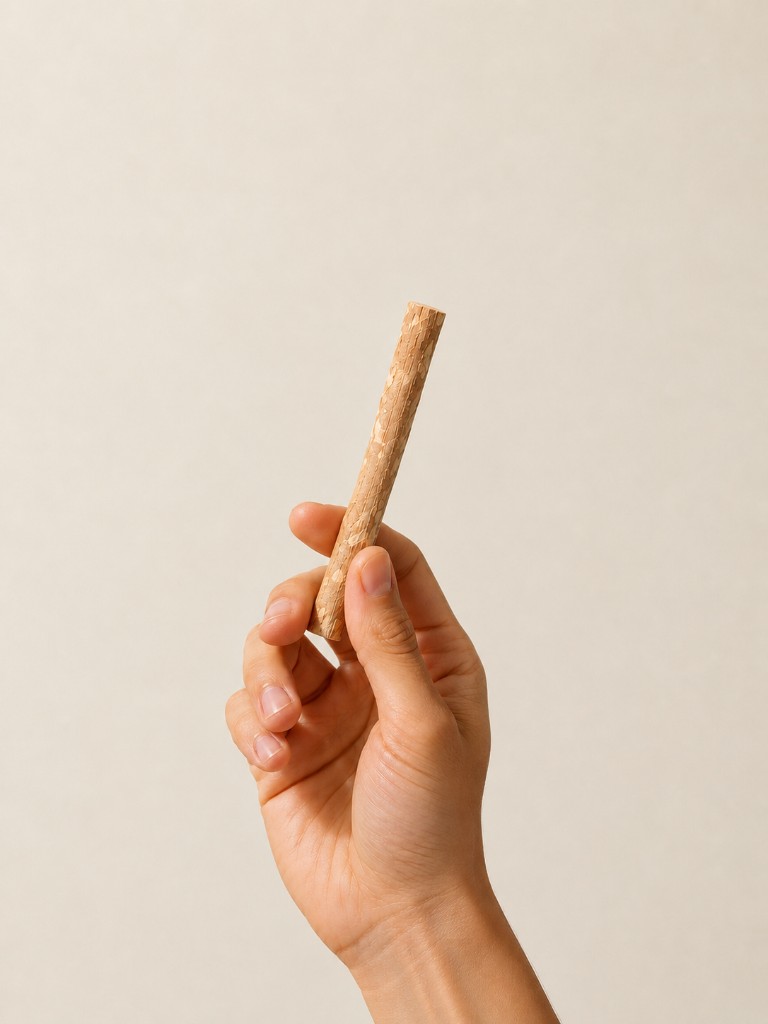
- 100% Salvadora persicaEach stick is the wood of the Salvadora persica tree — the plant Siwak has come from for generations. Nothing added.
- Cut to 15 cmEvery stick is selected by hand and cut to 15 cm, so it sits well in the hand and lasts through daily use.
- Freshly preparedPrepared close to packing, so the fibres are still ready to open when you peel and chew the tip.
- Sealed with careSealed carefully to stay clean and protected until you open the pack.
Four simple steps.
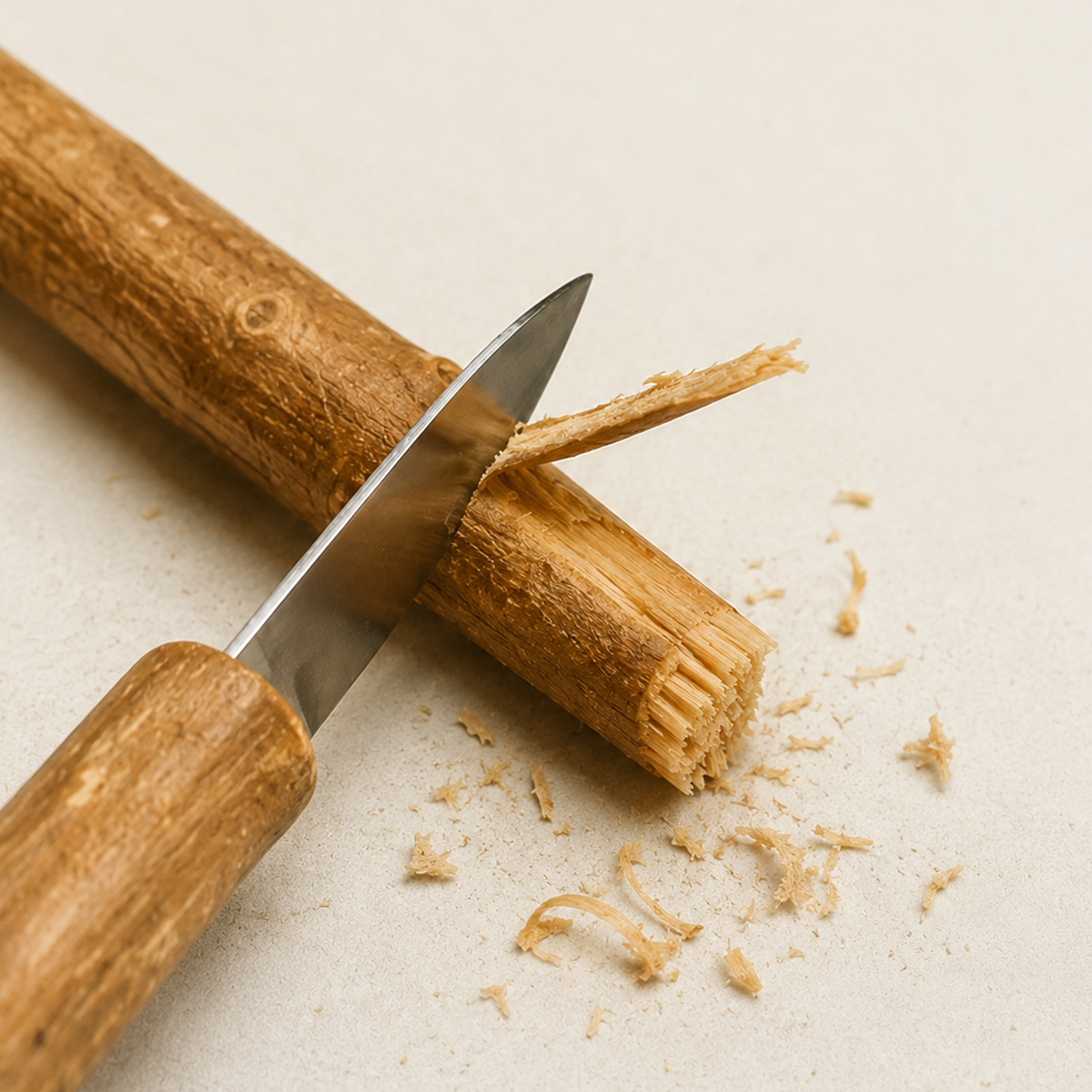
01. Peel.
Remove about 1 cm of bark from one end so the inner wood can open.
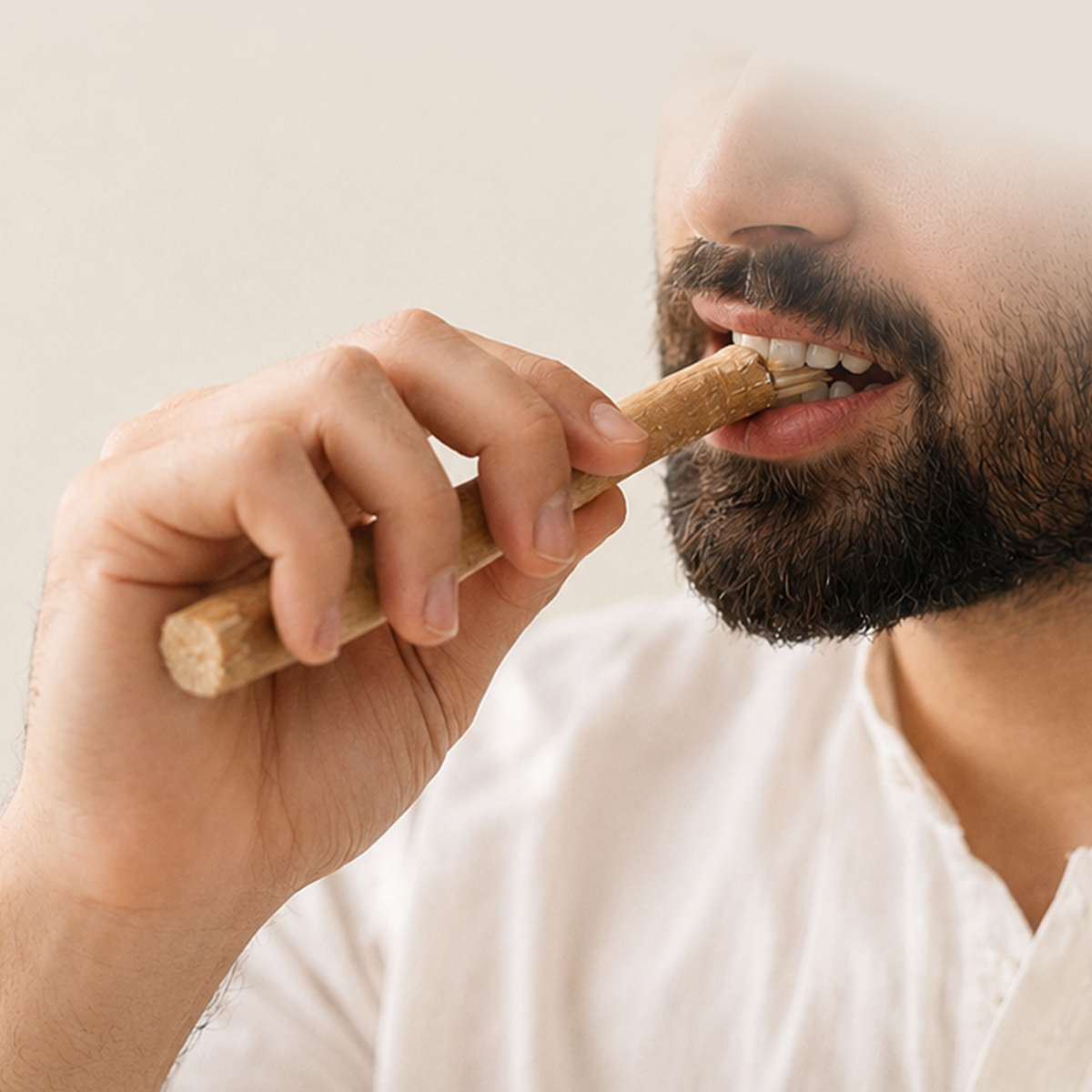
02. Chew.
Chew that end gently until the fibres loosen and form a soft, natural brush. If the tip is too hard, soak it in water first.
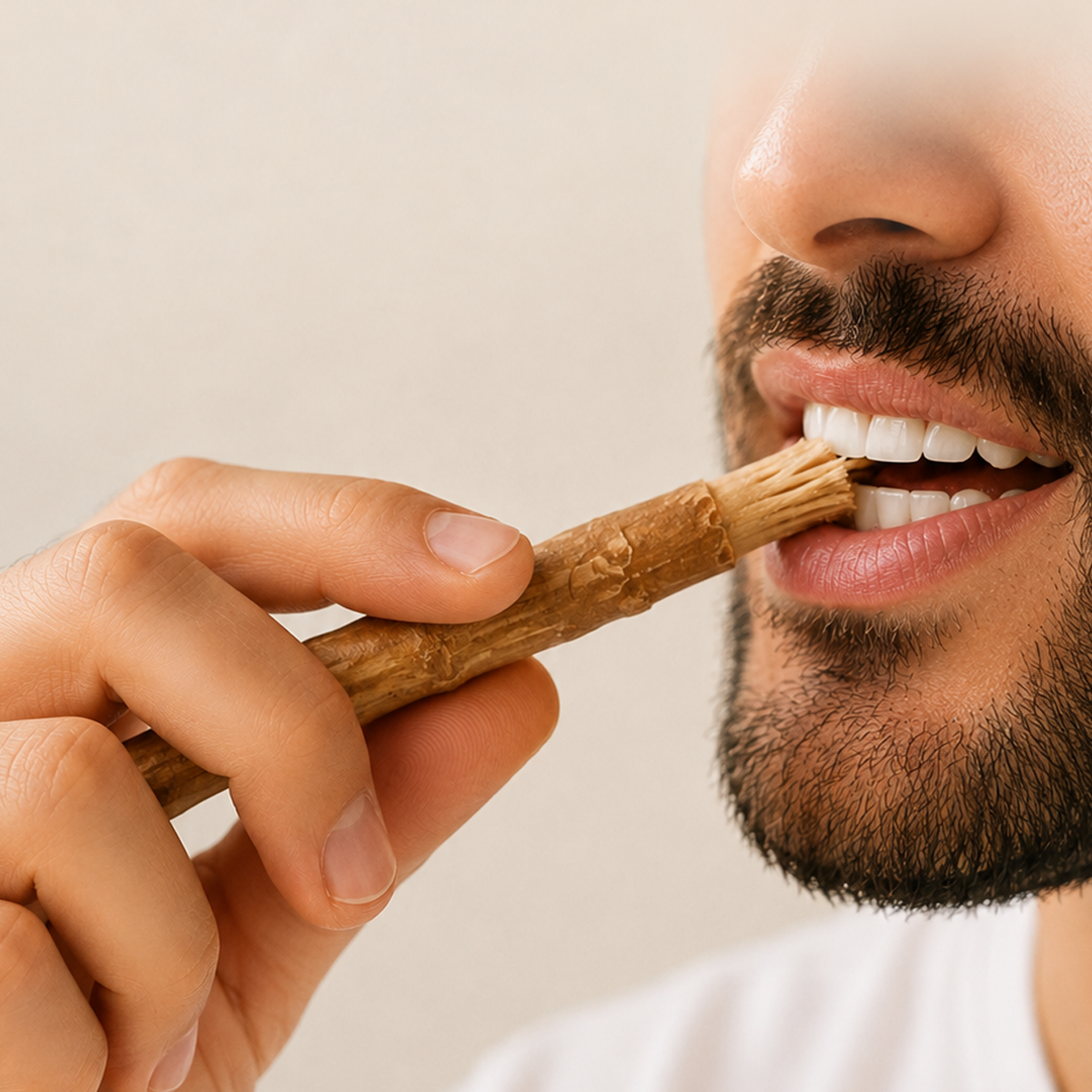
03. Brush.
Brush carefully along the teeth and gumline, just like a toothbrush. No toothpaste is needed.
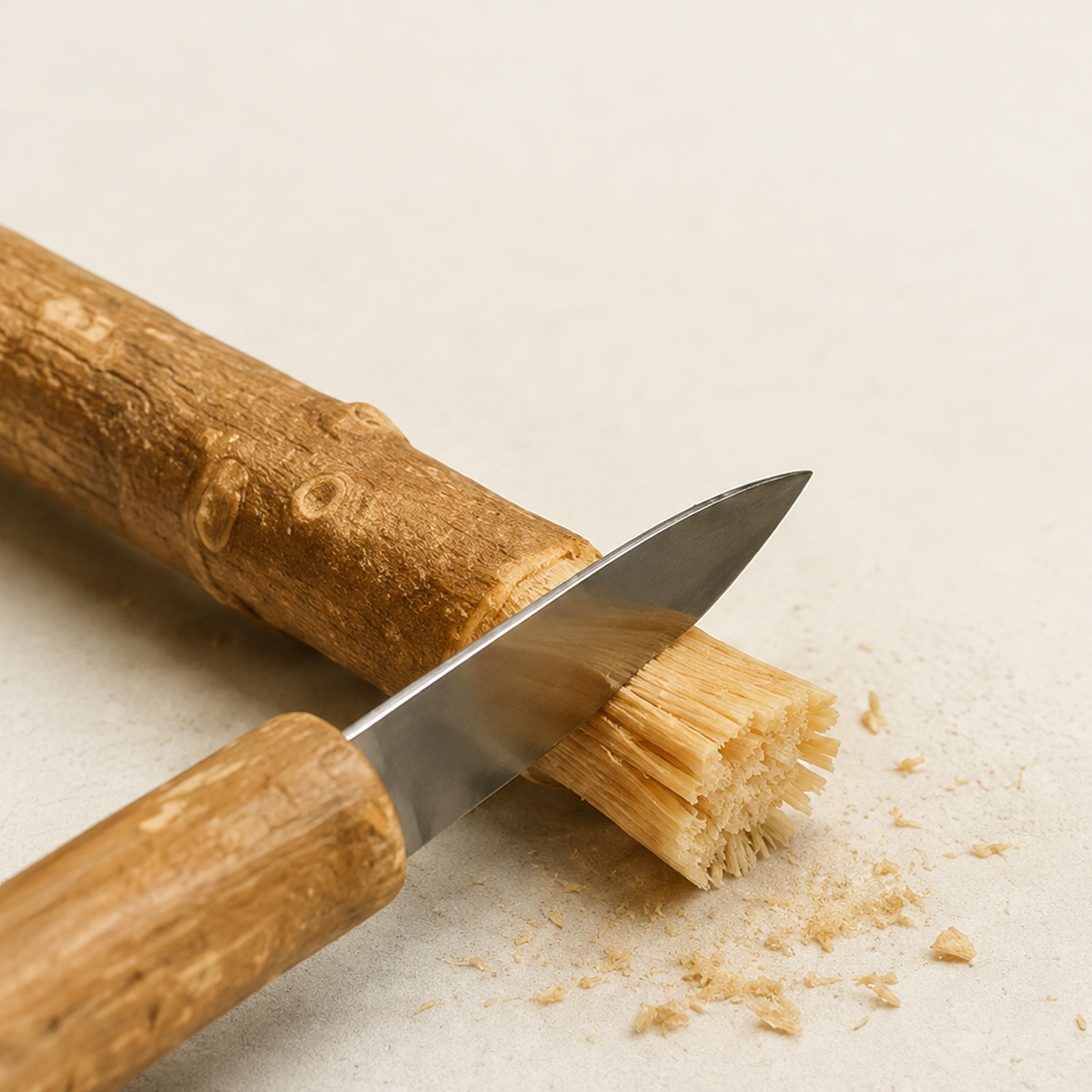
04. Trim.
When the fibres wear down, trim about 1 cm and start again. Rinse, then keep the stick in a cool, dry place.
Bring Siwak to your customers.
We work with selected retailers and distribution partners.